From Numata Interchange, we will head to the ancient inn “Ouchi-juku” via the Iroha-zaka pass in Nikko.
We’re taking a drive from the Kanto region towards Fukushima.
This time, we’ll be taking a slightly longer route from Numata Interchange, via Iroha-zaka in Nikko, to Ouchi-juku, a nature-filled road trip.
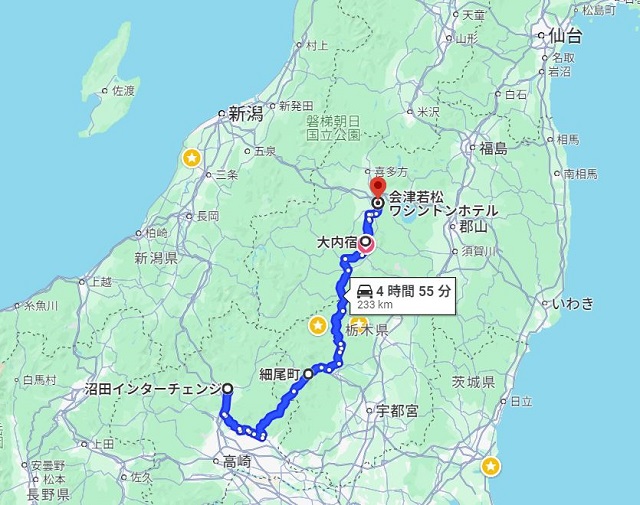
GoogleMapより出典
From Numata, we’ll take all local roads to Ouchi-juku, a former post town in Fukushima Prefecture that once flourished.
The reason for taking this detour was that I wanted to travel along the winding roads of Iroha-zaka in Nikko.
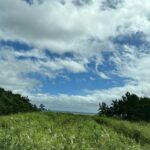
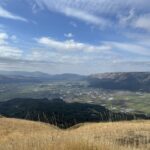
We’ll travel along roads surrounded by magnificent nature.
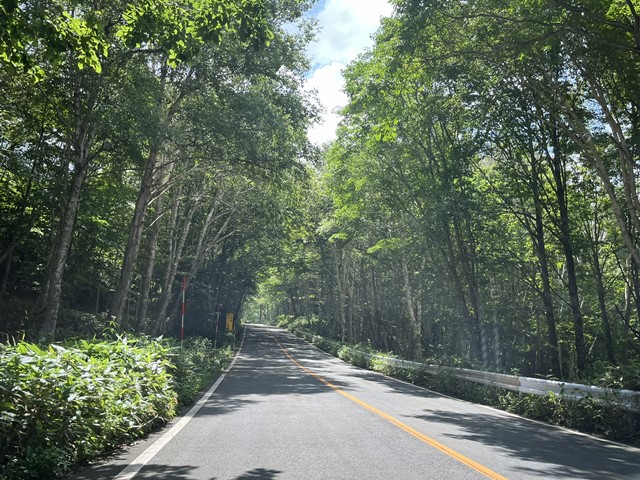
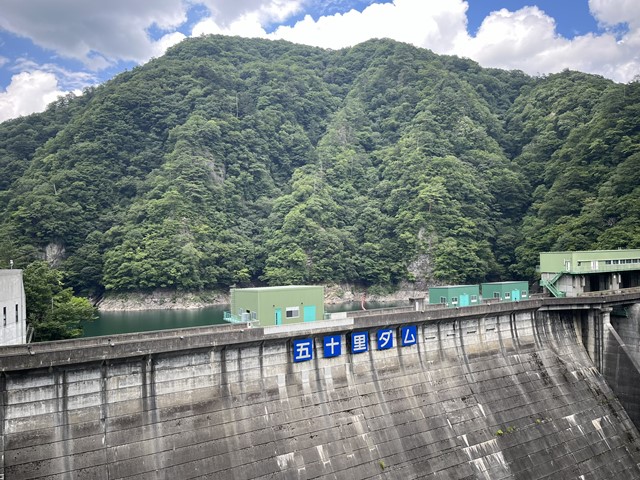
We’ll take a break at a dam along the way.
Finally, after 3 PM, we arrived at Ouchi-juku.
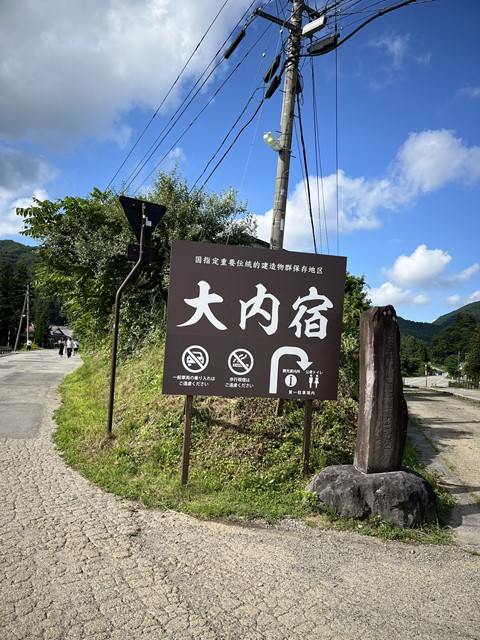
Actually, the road just before arriving at Ouchi-juku was blocked by a landslide, so we were directed to an alternative route.
This detour caused a slight delay in our arrival.
Parking cost 500 yen per car for both light and passenger vehicles.
Luckily, we were able to park in the parking lot closest to the entrance.
Ouchi-juku is located in Minami-Aizu, Fukushima Prefecture, and is said to have flourished as a post town on an important road connecting Aizu-Wakamatsu City and Nikko Imaichi during the Edo period.
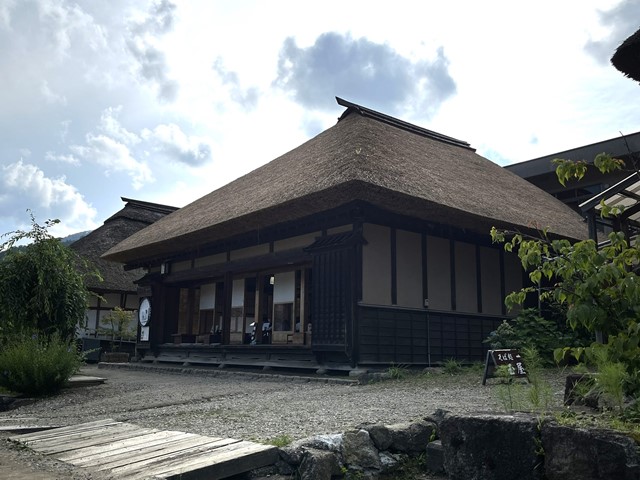
Even today, many thatched-roof houses line the street and are used as shops and private residences.
To preserve the landscape, residents adhere to the rule of “don’t sell, don’t rent, don’t destroy,” and strive to acquire and pass on the techniques of thatched roofing.
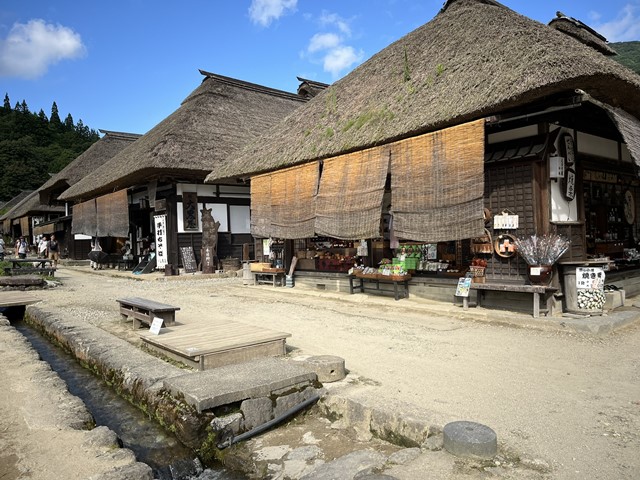
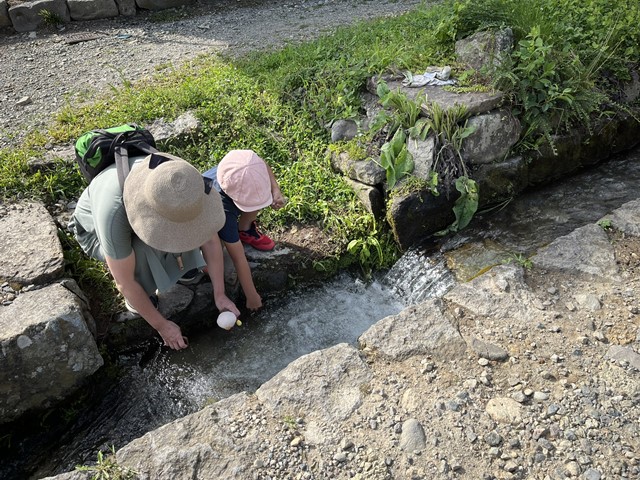
The area was designed so that cold, clean water would flow down the eaves.
The main building, which now serves as a museum, was undergoing roof repairs and we couldn’t go inside.
It was a shame we couldn’t see the farming tools and household items used since the Edo period that were on display inside.
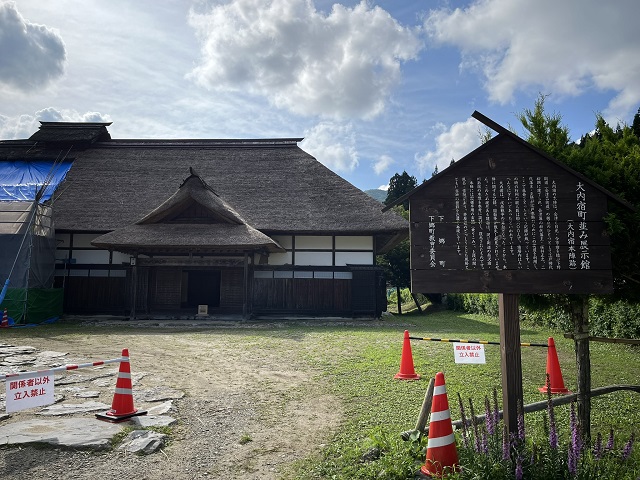
However, we were able to see a magnificent thatched-roof house that had just recently been re-thatched.
It seemed that you could have a meal inside if you went early in the day.
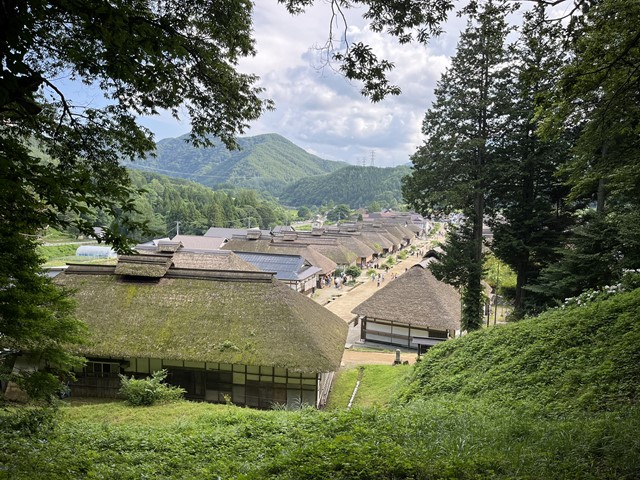
If you walk along the street in front of Ouchi-juku, you can climb a small hill.
From here, you can get a slightly elevated view of the thatched-roof houses lining Ouchi-juku. It involves climbing a few stairs, but if you have the time, I highly recommend taking the time to do so.
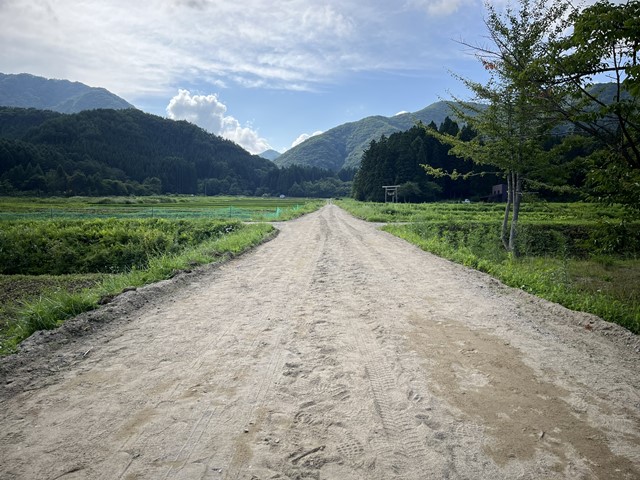
In the middle of Ouchi-juku was Takakura Shrine.
Taking a leisurely stroll along the nostalgic country road from the first torii gate to the second torii gate of Takakura Shrine is a wonderful experience.
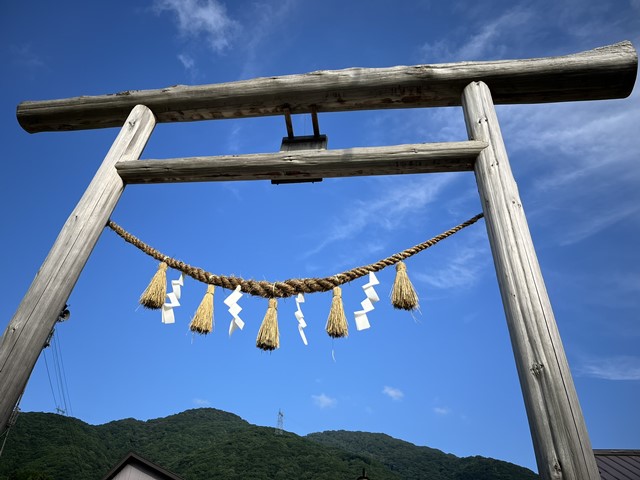
This is the first torii gate of Takakura Shrine, viewed from the back.
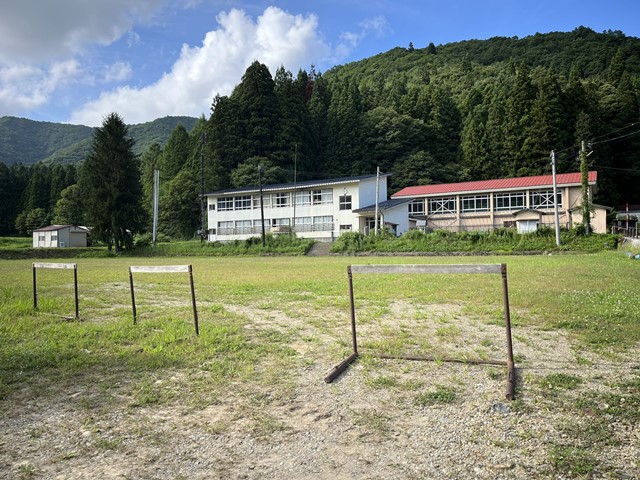
From there, you could see the grounds of local schools and other sights, creating a landscape that seemed familiar yet is rarely seen these days.
At a liquor store near the entrance to Ouchi-juku, I was recommended a tasting of dry sake and purchased a large 2-year-old junmai sake (4000 yen) and a special junmai sake (3500 yen).
The price is quite steep for 750ml, but it was very easy to drink with a clean finish.
From Ouchi-juku, I drove along Prefectural Road 131 towards Aizu-Wakamatsu for about an hour.
I passed by the Ouchi Dam as I continued on.
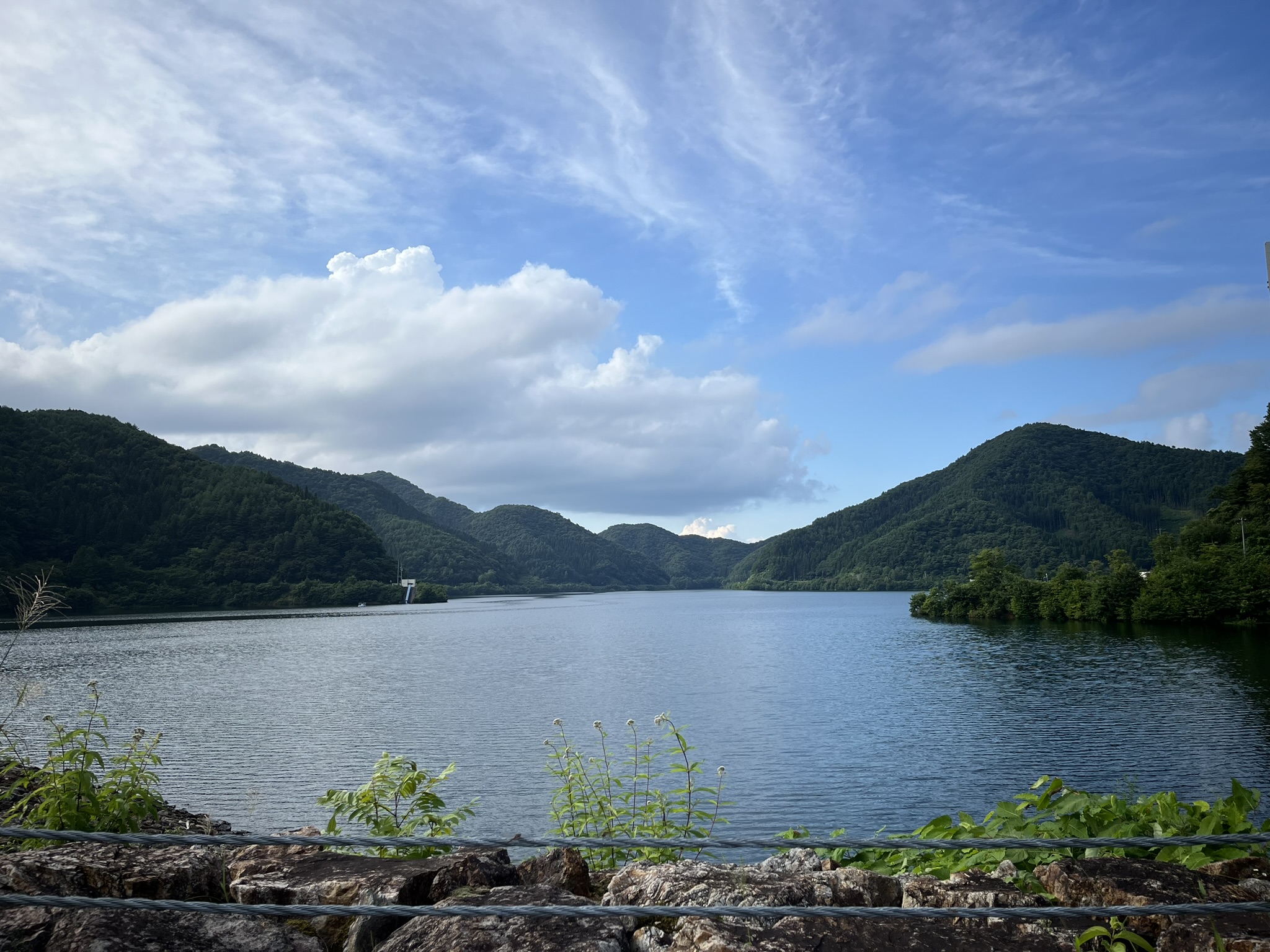
What a beautiful view!
Tonight’s accommodation is in Aizu-Wakamatsu.
関連記事:宿泊レビュー:会津若松ワシントンホテルに宿泊しました
大内宿 Oouchi-Syuku
Address:Ouchi, Shimogo-machi, Minamiaizu-gun, Fukushima Prefecture
Tel:0241-68-3611
Oouchi-Syuku Homepage:https://ouchi-juku.com/
Parking Fee:500 yen
Entrance:Free
My Memo:The shops in Ouchi-juku start closing around 4 PM, so if you want to enjoy a meal, I recommend arriving a little earlier.
I bought some sake at a liquor store near the entrance to Ouchi-juku. It was a bit pricey, but very easy to drink and delicious.